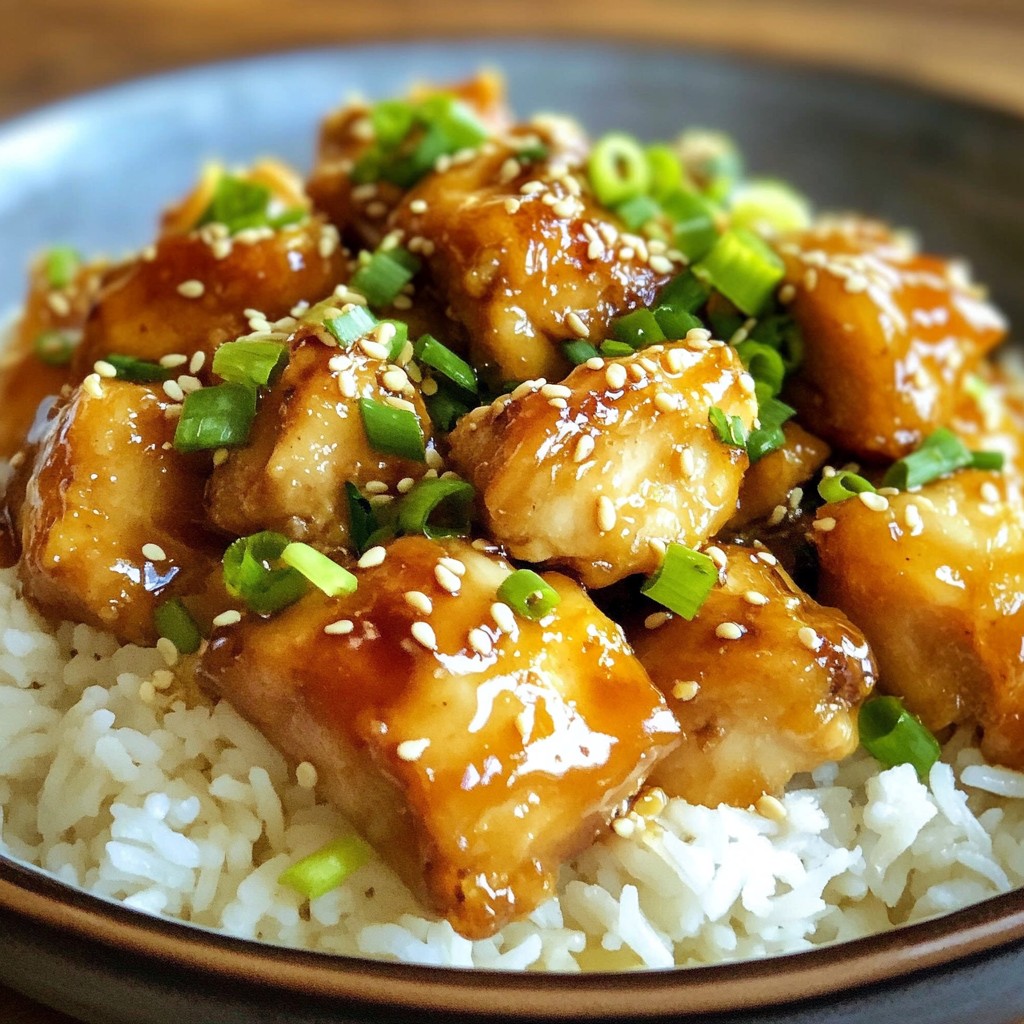

Are you ready to elevate your dinner game? In this post, I’ll show you how to make a rich and flavorful Creamy Garlic Parmesan Risotto. With just a few simple ingredients like Arborio rice, garlic, and creamy Parmesan, you can create a comforting dish that impresses. Whether you’re a seasoned chef or a beginner, my step-by-step guide will help you nail the perfect risotto every time. Let’s dive in!
Why I Love This Recipe
- Comfort Food: This risotto is the epitome of comfort food, creamy and rich, perfect for cozy dinners.
- Flavorful Ingredients: The combination of garlic and Parmesan creates a mouthwatering flavor that is irresistible.
- Customizable: This recipe serves as a great base, allowing you to add your favorite vegetables or proteins for variety.
- Simple Technique: The method of gradually adding broth makes it easy to achieve the perfect creamy texture.
Ingredients
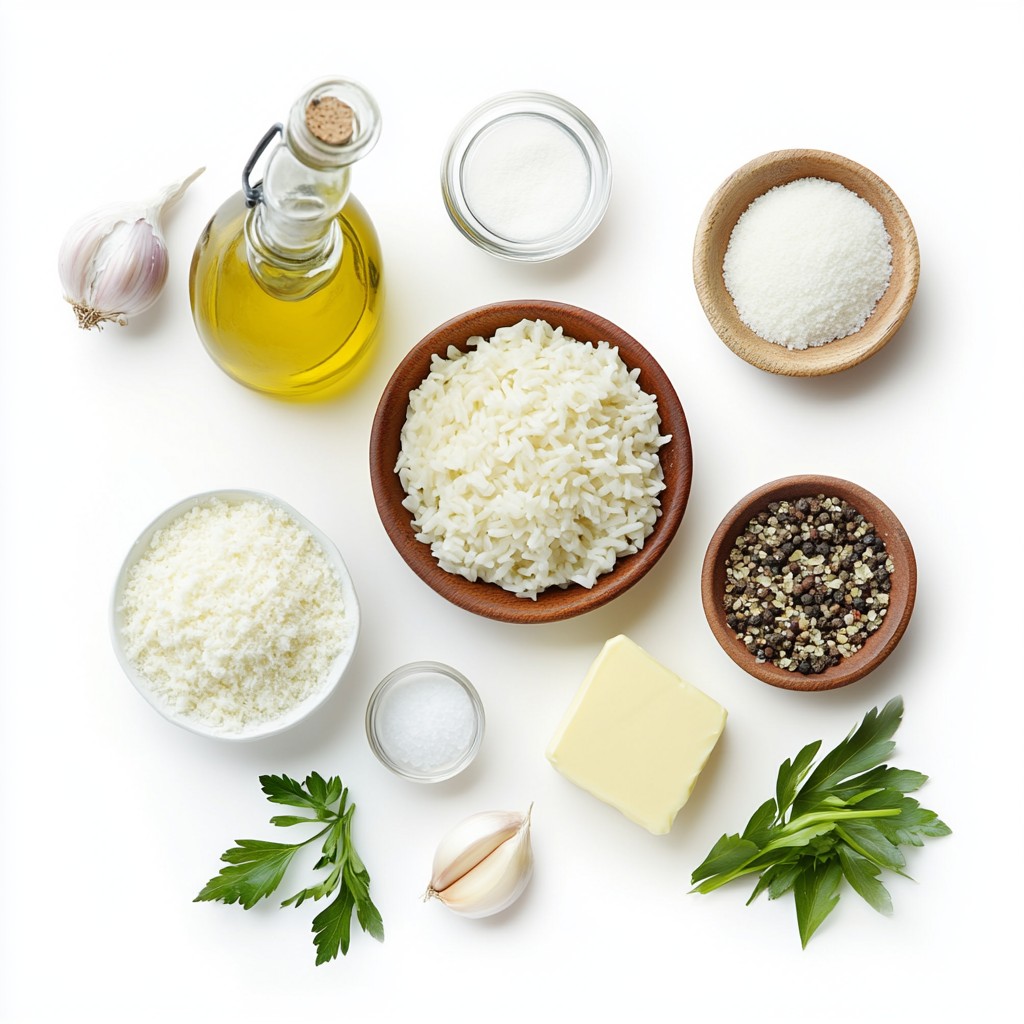
To make a creamy garlic Parmesan risotto, you need a few simple ingredients. Each one plays a key role in building flavor and texture. Here’s the list:
- 1 cup Arborio rice
- 4 cups vegetable broth (low sodium)
- 1 medium onion, finely chopped
- 4 cloves garlic, minced
- 1 cup grated Parmesan cheese
- 1/2 cup heavy cream
- 2 tablespoons olive oil
- 2 tablespoons butter
- Salt and pepper to taste
- Fresh parsley, chopped (for garnish)
Each ingredient brings something special. The Arborio rice gives the dish its creamy texture. The vegetable broth adds depth, while the onion and garlic build that rich, aromatic base. Parmesan cheese and heavy cream together create that luxurious creaminess. Olive oil and butter add richness and flavor. Finally, a sprinkle of fresh parsley brightens up the dish and makes it look gorgeous.
When you gather these ingredients, you set the stage for a warm and comforting meal. The magic of risotto lies in how you combine them. Each step reveals the care and attention you put into your cooking.
Step-by-Step Instructions
Preparation of Broth
First, we need to keep the broth warm. Heat the vegetable broth in a medium saucepan over low heat. This step is key because warm broth helps the rice cook evenly. If the broth is cold, it slows down cooking.
The ideal broth temperature is just below a simmer. It should not boil. A gentle heat keeps the flavors rich and helps the risotto become creamy.
Cooking Process
Next, let’s sauté the onion and garlic. In a large skillet, heat olive oil and butter over medium heat. Add the finely chopped onion and cook for about 3-4 minutes. You want the onion to become soft and translucent.
Then, add the minced garlic to the skillet. Sauté it for about a minute until it releases a nice aroma. This step builds a strong flavor base for your risotto.
Now, it’s time to add the rice. Stir in 1 cup of Arborio rice, mixing it well with the onion and garlic. Cook for about 2 minutes. You want the rice to look slightly translucent. This step helps the grains absorb the broth better.
Now we incorporate the broth gradually. Begin by adding one ladleful of warm vegetable broth to the rice mixture. Stir continuously. Wait until the rice absorbs most of the liquid before adding more broth. Repeat this step until the rice is creamy and al dente. This process takes about 18-20 minutes.
Achieving Creaminess
To achieve creaminess, use gentle stirring techniques. Stir often but not too hard. This helps release the starch from the rice, making it creamy.
Recognizing doneness is simple. The rice should be tender but still have a slight bite. If you taste it and it feels too firm, add a bit more broth and keep stirring.
Once the rice is cooked, remove the skillet from heat. Stir in grated Parmesan cheese and heavy cream until well mixed. This adds rich flavor and extra creaminess to the dish. Season with salt and pepper to taste. Let the risotto sit for a minute or two to thicken before serving.
Tips & Tricks
Perfecting Texture
To make the best risotto, slow cooking is key. Slow cooking lets the rice absorb all the flavors. This method makes the risotto creamy and rich. Rapid cooking can lead to uneven texture. You want each grain of rice to be soft yet firm.
Now, let’s talk about al dente. This means the rice should have a slight bite to it. You can check this by tasting a grain. If it’s soft but not mushy, you nailed it!
Enhancing Flavor
Choosing the right cheese is essential. I love using fresh, grated Parmesan cheese. It adds a deep, nutty taste. Other cheeses can work too, but Parmesan is classic.
Using fresh herbs is another great way to boost flavor. Chopped parsley adds a wonderful pop of color and taste. You can also add thyme or basil, but keep it simple to let the risotto shine.
Serving Suggestions
Presentation matters! Serve your risotto in shallow bowls. This allows the creamy texture to stand out. Top it with more Parmesan and fresh parsley. A sprinkle of extra cheese makes it look fancy.
Pair your risotto with simple dishes. Grilled chicken or sautéed shrimp work well. A light salad on the side can complement the meal nicely. Enjoy your creamy garlic Parmesan risotto with friends and family!
Pro Tips
- Use Quality Broth: The flavor of your risotto largely relies on the broth you use. Opt for a high-quality, low-sodium vegetable broth for the best results.
- Continuous Stirring: Stirring continuously while adding broth helps release the starches in the rice, creating that creamy texture risotto is known for.
- Fresh Ingredients: Use fresh garlic and Parmesan cheese for the best flavor. Pre-grated cheese may contain anti-caking agents that can affect the creaminess.
- Let it Rest: Allowing the risotto to sit for a minute after cooking will enhance its creaminess and help it thicken slightly before serving.
Variations
Additional Ingredients
You can make your risotto even better by adding vegetables. Try mixing in peas, spinach, or mushrooms. These veggies add color and flavor. Cook them with the onion and garlic for extra taste.
For protein, consider adding cooked chicken, shrimp, or even crispy bacon. These options make your risotto heartier. Just stir them in at the end to warm them up.
Flavor Combinations
Experimenting with different cheeses can change your dish. Besides Parmesan, try using Pecorino Romano or Gruyère. Each cheese brings its own unique flavor. You can also mix cheeses for a richer taste.
Adding spices can elevate your risotto too. A pinch of nutmeg or red pepper flakes can add warmth. Fresh herbs like thyme or basil can brighten the dish. Stir them in right before serving.
Dietary Adjustments
If you want a vegan version, swap the Parmesan and cream with plant-based options. Nutritional yeast can give you that cheesy flavor. Use coconut cream for creaminess.
For a gluten-free risotto, ensure your broth is gluten-free. Arborio rice is naturally gluten-free, so you’re good to go! Just be careful with any added ingredients like broth or sauces.
Storage Info
Storing Leftovers
To store leftover risotto, use airtight containers. Glass or plastic containers work well. Make sure the risotto cools to room temperature first. It will stay fresh in the fridge for up to three days.
Reheating Tips
When reheating, add a splash of broth or water. This helps keep it creamy. Heat it slowly on the stove over low heat. Stir often to avoid dry spots. If you microwave it, cover it to keep moisture in. This way, you can avoid mushiness.
Freezing Risotto
To freeze risotto, place it in a freezer-safe container. Leave some space at the top for expansion. Label it with the date. It can last up to three months in the freezer.
When you're ready to eat, thaw it in the fridge overnight. Reheat it gently on the stove. Add a little broth or water to restore its creamy texture. Enjoy your delicious risotto even after freezing!
FAQs
Can I use other types of rice?
Yes, you can use other rice types, but it may change the texture. Arborio rice works best. It has a high starch content, which makes risotto creamy. If you try other types like jasmine or basmati, the risotto may not be as creamy. Those rices cook faster and don’t absorb liquid the same way.
How do I fix undercooked risotto?
If your risotto is undercooked, add more broth. Warm the broth first. Pour in a ladle at a time while stirring. Cook until the rice softens. This should take a few minutes. Make sure to stir well so the rice cooks evenly. Taste it often to check for doneness.
Can I make risotto ahead of time?
You can make risotto ahead of time, but it’s best fresh. If you do prepare it early, let it cool, then store in an airtight container. When ready to serve, reheat slowly. Add a splash of broth to help revive the creaminess. Stir well as you heat it.
In this post, we explored how to make creamy risotto using simple ingredients. We covered preparing broth, sautéing onion and garlic, and adding the rice step-by-step. You learned tips for perfect texture and flavor, plus how to store leftovers and even freeze risotto.
Remember that making risotto takes practice, but you can customize it to suit your taste. Keep experimenting with flavors and enjoy the process!