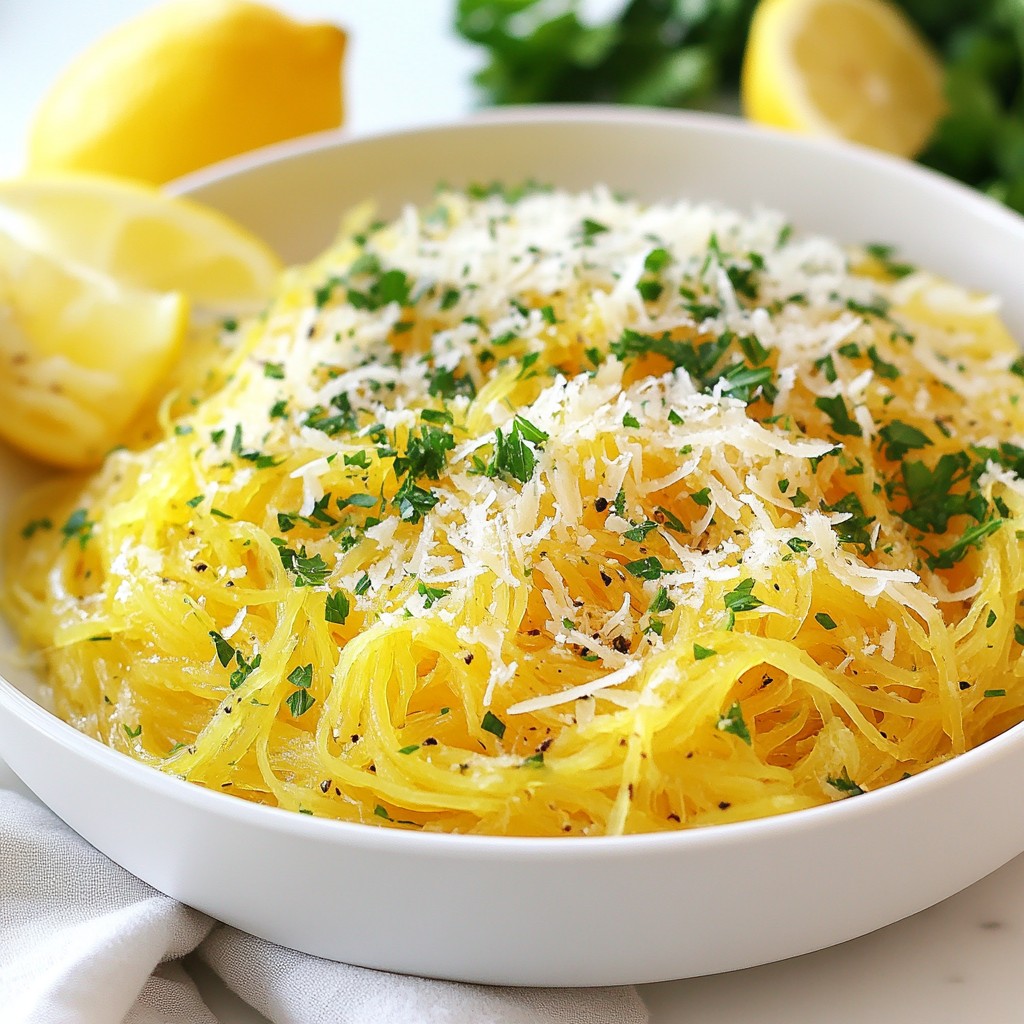
Looking for a tasty dish that’s also easy to make? Garlic Parmesan Spaghetti Squash is the answer! This dish combines the rich flavors of garlic and cheese with the light texture of spaghetti squash. In just a few simple steps, you can create a meal that’s both delicious and satisfying. Let’s dive into the ingredients and get started on this flavorful journey!
Why I Love This Recipe
- Healthy Alternative: This dish offers a low-carb substitute for traditional pasta, making it a great option for those looking to reduce their carbohydrate intake.
- Flavorful Experience: The combination of garlic, Parmesan, and fresh parsley elevates the flavors, creating a delicious and satisfying meal.
- Easy Preparation: With minimal ingredients and straightforward steps, this recipe is perfect for busy weeknights when time is of the essence.
- Versatile Dish: This recipe can easily be customized with your favorite proteins or vegetables, allowing you to make it your own!
Ingredients
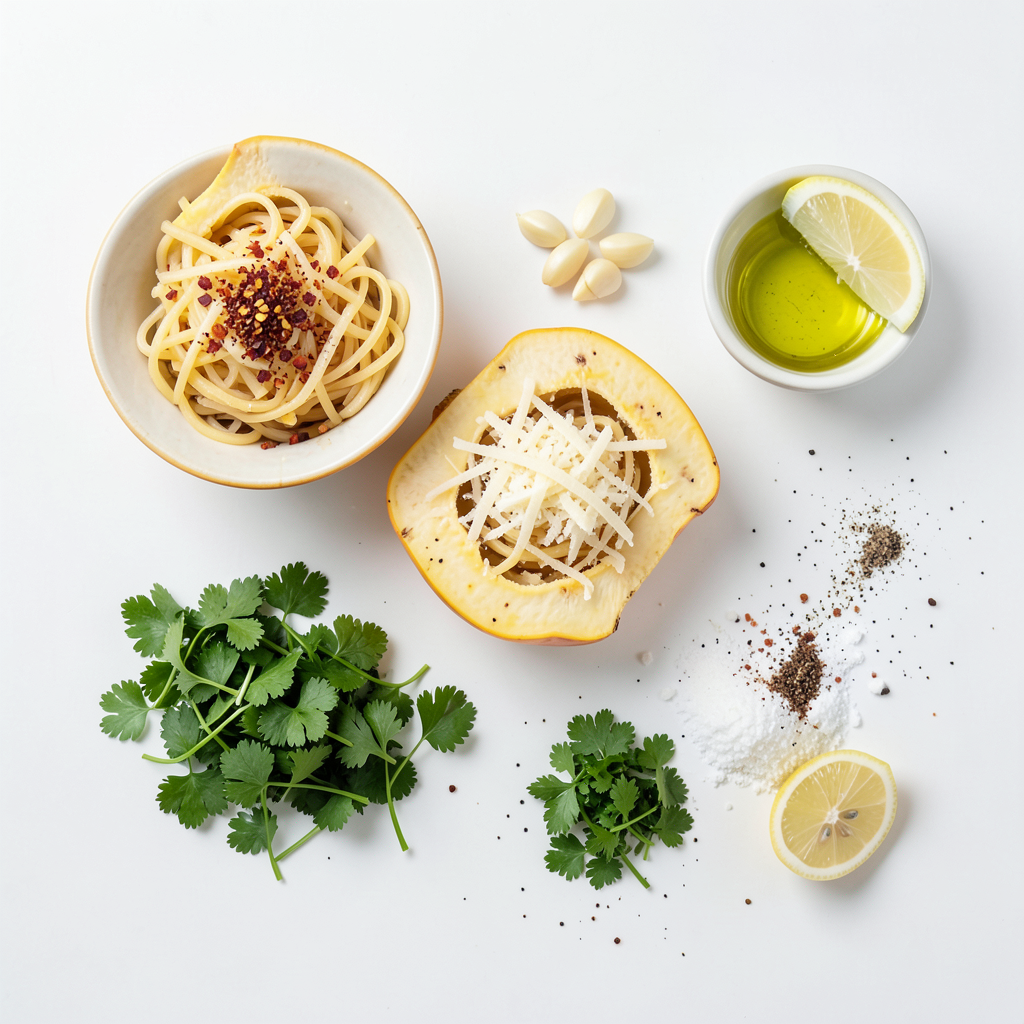
Main ingredients for Garlic Parmesan Spaghetti Squash
To make Garlic Parmesan Spaghetti Squash, you will need these main ingredients:
- 1 medium spaghetti squash
- 4 tablespoons olive oil
- 4 cloves garlic, minced
- 1 cup grated Parmesan cheese
- Salt and pepper to taste
These ingredients come together to create a tasty dish that is easy to make. The spaghetti squash acts as the base, and the garlic and Parmesan add depth and richness.
Optional ingredients for added flavor
You can enhance the dish with these optional ingredients:
- 1 teaspoon red pepper flakes (adds a nice kick)
- 1/4 cup fresh parsley, chopped (for a pop of color and freshness)
- Lemon wedges for serving (adds brightness when squeezed over the dish)
Using red pepper flakes gives the dish a bit of heat. Fresh parsley not only looks good but also adds fresh flavor. Lemon juice brightens up the whole meal.
Recommended tools and equipment
Having the right tools makes cooking easier. Here’s what I recommend:
- A sharp knife (for cutting the squash)
- A baking sheet (to roast the squash)
- Parchment paper (for easy cleanup)
- A large bowl (for mixing the ingredients)
- A fork (to shred the squash strands)
These tools ensure that you can prepare the dish without any hassle. With the right equipment, you can focus on enjoying the cooking process and the final meal!
Step-by-Step Instructions
Prepping the spaghetti squash
Start by preheating your oven to 400°F (200°C). Take your medium spaghetti squash and carefully cut it in half lengthwise. Use a spoon to scoop out the seeds. Drizzle 2 tablespoons of olive oil on each half. Sprinkle salt and pepper to taste.
Roasting the squash
Place the squash halves cut side down on a baking sheet lined with parchment paper. Roast in the preheated oven for 30 to 40 minutes. The squash is ready when the flesh is tender and can be easily shredded with a fork.
Sautéing garlic for flavor
While the squash roasts, heat 2 tablespoons of olive oil in a skillet over medium heat. Add 4 cloves of minced garlic and, if you like spice, a teaspoon of red pepper flakes. Sauté for 1 to 2 minutes until fragrant. Be careful, as burning garlic can ruin the taste.
Combining ingredients for serving
Once the squash is done, take it out of the oven and let it cool for a few minutes. Use a fork to scrape out the strands into a large bowl. Pour the sautéed garlic oil over the squash and toss well to coat. Add 1 cup of grated Parmesan cheese and 1/4 cup of chopped fresh parsley. Mix everything until well combined. Taste your dish and adjust salt and pepper if needed. Serve warm with lemon wedges on the side for a zesty touch.
Tips & Tricks
How to choose the perfect spaghetti squash
Look for a spaghetti squash that feels heavy for its size. The skin should be smooth and firm. Avoid any squash with soft spots or blemishes. A deep yellow or golden color shows ripeness. Choose one that is about 3 to 4 pounds for the best flavor.
Cooking tips for perfectly roasted squash
To roast squash well, preheat your oven to 400°F (200°C). Cut the squash in half lengthwise. Scoop out the seeds, then drizzle olive oil over the cut side. Season with salt and pepper. Place the halves cut side down on parchment paper. Roast for 30 to 40 minutes until tender. Use a fork to pull the strands out easily.
Enhancing flavor with garlic and cheese
Garlic and cheese make this dish shine. Sauté minced garlic in olive oil until fragrant. Be careful not to burn it, as burnt garlic tastes bitter. Add red pepper flakes for a bit of heat if you like. Once you mix the garlic oil with the strands, fold in the Parmesan cheese. Fresh parsley brings color and a fresh taste.
Pro Tips
- Choose a ripe squash: Look for a spaghetti squash that feels heavy for its size and has a firm skin. This ensures maximum flavor and texture.
- Don’t skip the lemon: A squeeze of fresh lemon juice right before serving brightens the dish and enhances all the flavors.
- Experiment with toppings: Feel free to add grilled chicken, sautéed vegetables, or a sprinkle of crushed red pepper for extra flavor and protein.
- Store leftovers properly: Keep any leftovers in an airtight container in the refrigerator for up to 3 days. Reheat gently on the stovetop to maintain texture.
Variations
Adding protein: chicken or shrimp options
You can make Garlic Parmesan Spaghetti Squash even more filling by adding protein. Chicken and shrimp are great choices. For chicken, cook it in a skillet until golden. Add it to the squash right before serving. For shrimp, sauté them in garlic oil until pink. Toss them with the squash for a tasty mix.
Vegetarian variations with additional vegetables
If you want to keep it vegetarian, add more veggies. Spinach, bell peppers, or mushrooms work well. Sauté these with the garlic to build flavor. Then, mix them into the spaghetti squash. This adds color and boosts nutrition.
Gluten-free substitutions and serving suggestions
Garlic Parmesan Spaghetti Squash is naturally gluten-free, so enjoy it as is! If you want a crunchy side, try a salad with nuts. You can also serve it with gluten-free bread. This adds a nice touch for dipping.
Storage Info
How to store leftover Garlic Parmesan Spaghetti Squash
To store leftover Garlic Parmesan Spaghetti Squash, let it cool first. Then, place it in an airtight container. It will stay fresh in the fridge for about 3 to 5 days. If you want to keep it longer, consider freezing it.
Reheating tips for best texture
When reheating, I suggest using the oven. Preheat it to 350°F (175°C). Spread the squash on a baking sheet. Heat for about 15 minutes. This method keeps the strands from getting mushy. You can also use the microwave. Heat in 30-second bursts. Stir in between to warm evenly.
Freezing guidelines for longer storage
To freeze Garlic Parmesan Spaghetti Squash, pack it in a freezer-safe container. Make sure it cools completely before freezing. It can stay good for about 2 months. When you’re ready to eat, thaw it overnight in the fridge. Then, reheat as mentioned above for the best taste and texture.
FAQs
Can I use a different cheese instead of Parmesan?
Yes, you can use other cheeses. Try Pecorino Romano for a sharper taste. Goat cheese adds a creamy touch. Nutritional yeast is great for a vegan option, giving a cheesy flavor without dairy.
What are some ways to serve Garlic Parmesan Spaghetti Squash?
You can serve it as a main dish or a side. Add grilled chicken or shrimp for protein. Pair it with a fresh salad to balance the meal. It also makes a great base for a rich sauce.
How long does cooked spaghetti squash last in the fridge?
Cooked spaghetti squash lasts about 3 to 5 days in the fridge. Store it in an airtight container to keep it fresh. If it looks or smells off, toss it out.
Can I make this recipe vegan?
Yes, you can make this dish vegan! Replace Parmesan with nutritional yeast or vegan cheese. Use olive oil and skip the butter. This way, you still get all the flavor without dairy.
To wrap up, we explored how to make Garlic Parmesan Spaghetti Squash. We covered the main and optional ingredients you'll need. I shared simple steps for prepping, roasting, and serving. You learned tips for choosing and cooking the squash perfectly. Plus, we discussed tasty variations and how to store leftovers.
This dish is easy, healthy, and packed with flavor. Enjoy experimenting and making it your own!